

Mobile esports is the competitive scene that runs on smartphones and tablets. Unlike traditional console or PC tournaments, matches happen over cellular networks, and players use touch controls or external controllers. The format is usually a 1v1 or 2v2 battle in a game that can be played in under ten minutes.
Why the Numbers Are Rising
In 2023, the global mobile esports audience hit 350 million viewers, up 12 % from 2022. That jump is largely driven by three factors:
- Lower entry cost: a mid‑range phone costs around $250, versus $500–$1,000 for a high‑end PC rig.
- Improved network speeds: 5G coverage now reaches 70 % of urban households, cutting latency to under 30 ms.
- Game design shifts: titles like Mobile Legends and Call of Duty: Mobile now support cross‑play with PC and console, blurring platform lines.
Because of these changes, even casual gamers can drop into a ranked ladder and earn prize money of $5–$10 k in regional tournaments.
How Matches Are Structured
Typical mobile esports events follow a single‑elimination bracket. Each match lasts 8–12 minutes. Teams earn points per kill, objective capture, or time survived. A common format is “Best of Three”: the first team to win two maps takes the match. The rules are published on the tournament’s website a week before the start, so players can practice the exact map layout.
One limitation is that the touch interface can feel clunky for fast‑paced shooters. Players who rely on precise aiming often report a 15–20 % accuracy drop compared to a mouse‑and‑keyboard setup. This disadvantage is most noticeable in games like Valorant Mobile, where the developer introduced a “precision mode” to mitigate the issue.
Training on the Go
Coaches now offer mobile‑friendly drills. A typical routine lasts 30 minutes and focuses on reaction time and map awareness. Players use a “speed run” mode that plays a single map at 1.5× speed, forcing them to make split‑second decisions. The training app records hit‑rate and reaction time, giving a weekly report that shows a 5–8 % improvement after consistent practice.
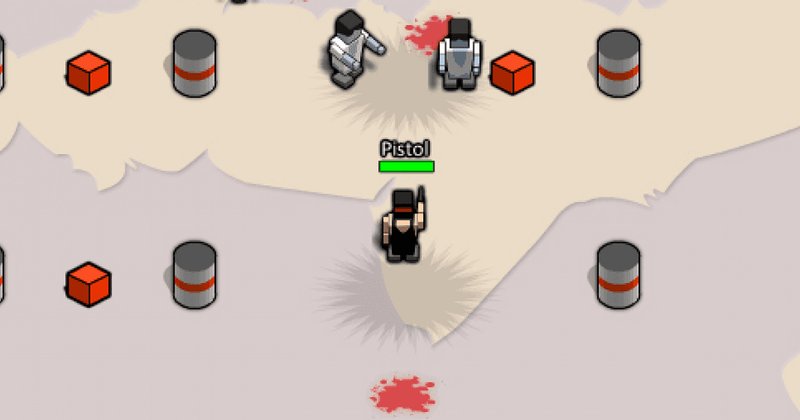
Some teams even schedule live scrims during commute times. A rider in a city with a 30‑minute metro ride can log into a match, play a 5‑minute scrim, and then return to the station. The flexibility of mobile esports allows players to fit training into otherwise idle periods.
For gamers who want to combine competitive play with casual entertainment, there’s an option to explore custom maps and community events. These are often hosted on third‑party servers that let you tweak settings like spawn points and item distribution. The community forums for these servers can be found on dedicated Discord channels, where players share strategy guides and patch notes.
In the same vein, many mobile esports fans enjoy watching live streams on platforms like Twitch and YouTube. A 2023 survey found that 68 % of mobile players watch at least one stream per week, and 42 % say that watching pros influences their playstyle.
http://www.http://www.designyourhousesign.co.uk/ offers a way to personalize your gaming space with custom signage, turning a simple room into a professional training arena.
What’s Next?
The industry is moving toward hybrid tournaments that mix mobile and console players. In 2024, a major league announced a “Cross‑Platform Cup” where a mobile squad can face a PC team in a 1v1 format. The prize pool for that event will be $250 k, with the winner receiving a fully funded travel stipend.
For those who enjoy the thrill of competition but prefer the convenience of a phone, mobile esports is the future. It offers a low‑barrier entry point, rapid match times, and a growing community that supports skill development on the go. The only real drawback is the touch‑control precision, but developers are steadily closing that gap with new hardware and software tweaks.
Final Thoughts
Mobile esports has moved from a niche pastime to a mainstream competitive arena. Its growth is measurable: viewership, prize money, and player participation all climb each year. If you’re ready to test your skills anywhere, grab a smartphone, download a popular title, and jump into the next tournament. The road to glory is now just a tap away.